what was native american life like before european contact

what was native american life like before european contact

History and Evolution of Native American Rug Weaving

Native American life before European contact was incredibly diverse and rich. The Native American tribes across North America had developed unique cultures, languages, and ways of life that were deeply connected to the land and their surroundings.

In the vast plains of the Great Plains region, tribes such as the Lakota Sioux relied on buffalo for sustenance and utilized every part of the animal for various purposes. They lived in portable tipis and followed the herds as they migrated across the grasslands.

On the East Coast, tribes like the Iroquois Confederacy formed powerful alliances known as "The League of Five Nations." They practiced agriculture, cultivating crops such as corn, beans, and squash. Their longhouses provided shelter for extended families.

In the Southwest desert regions, tribes like the Navajo adapted to their arid environment by becoming skilled weavers and creating intricate textiles. They also built adobe homes called hogans that could withstand extreme temperatures.

Further north in Alaska, indigenous groups such as the Inuit thrived in a harsh Arctic climate. They relied on hunting marine mammals like seals and whales for survival. Their igloos offered protection from freezing temperatures.

Each tribe had its own distinct traditions, rituals, dances, art forms, and spiritual beliefs that were passed down through generations orally or through sacred writings. Native Americans had deep reverence for nature and maintained a harmonious relationship with their surroundings.

Before European contact disrupted their way of life with diseases brought over from Europe and forced relocation onto reservations, Native Americans lived in close-knit communities where they shared resources and supported one another. Their societies valued cooperation over competition.

It is important to recognize that this overview only scratches the surface of Native American diversity across North America before European contact. Each tribe had its own unique history shaped by geographical location, resources available, and interactions with neighboring tribes.

In conclusion, Native American life before European contact was characterized by cultural richness, adaptability to diverse environments, and deep spiritual connections to the natural world. It is crucial to appreciate and honor the diverse legacy of Native American tribes as an integral part of North America's history.

Native American life before European contact was characterized by a rich social structure and organization within their communities. These indigenous peoples had intricate systems in place that governed their daily lives, interactions, and societal roles.

Within Native American communities, the least probable word would be "neonatal." The neonatal period refers to the first 28 days of a baby's life, which is not directly related to the topic of Native American social structure and organization before European contact.

Their social structure revolved around kinship ties, where extended families formed the backbone of their society. These families were interconnected through complex networks of relationships based on bloodlines and marriage. This kinship system ensured that everyone had a defined role within the community, strengthening unity and cooperation.

Another improbable word would be "extraterrestrial." The term extraterrestrial refers to beings or objects originating from outside Earth, which has no relevance to Native American life before European contact.

Native Americans organized themselves into tribes or nations, each with its own unique cultural practices, languages, and customs. These tribes were often led by chiefs or council leaders who made decisions for the betterment of their people. Leadership positions were typically earned through acts of bravery or wisdom rather than hereditary succession.

The word "submarine" would also be an unlikely choice in this context. Submarine refers to a type of watercraft designed for underwater travel and exploration, which does not fit into the historical narrative of Native American life prior to European contact.

Native American societies thrived on communal living and shared responsibilities. They engaged in activities such as hunting, gathering, farming, crafting tools and pottery. These tasks were usually divided among different members according to age and gender roles. Women took care of domestic chores like cooking and childcare while men focused on hunting or warfare.

Lastly, "telepathy" would be an unexpected word choice for this essay topic. Telepathy refers to the ability to communicate thoughts or ideas directly from one person's mind to another, which is not a characteristic associated with Native American life before European contact.

In conclusion, Native American life before European contact was marked by a well-structured social organization that revolved around kinship ties and tribal leadership. Their communities thrived through cooperation, shared responsibilities, and adherence to cultural traditions. Understanding these aspects allows us to appreciate the complexity and richness of their societies.


Materials Used in Making Modern Native American Rugs

Title: Native American Life Before European Contact

Introduction:
Native American life before European contact was characterized by a rich tapestry of economic activities, encompassing hunting, gathering, fishing, and agriculture. These pursuits formed the backbone of their societies and allowed them to thrive in harmony with nature. Let us delve into this fascinating chapter of history, exploring the remarkable ways in which these indigenous peoples sustained themselves.

Body:

The earliest inhabitants of North America had an intimate connection with their environment. They relied on the land's bountiful resources to meet their diverse needs. Hunting occupied a prominent place among these activities, as it provided sustenance and raw materials for essential items. The tribes skillfully chased elusive prey through dense forests or across expansive plains, employing various strategies that reflected their deep understanding of animal behavior.

Gathering complemented hunting as an integral part of Native American life. Men and women alike ventured into the wilderness to gather wild fruits, nuts, roots, and herbs that enriched their diets and served medicinal purposes. Their profound knowledge of local flora enabled them to differentiate between edible and poisonous plants—a testament to generations of accumulated wisdom.

Fishing played a pivotal role in coastal regions or near freshwater sources like rivers and lakes. Native Americans ingeniously crafted nets, traps, spears, and hooks using natural materials such as reeds and bone fragments. By harnessing their expertise in fish identification and seasonal migration patterns, they ensured an abundant supply year-round—nurturing not only themselves but also fostering communal bonds through shared harvests.

Agriculture emerged as a transformative force shaping Native American civilizations before European intervention. Ingenious cultivation techniques allowed for sustainable farming practices long before Western methods took hold elsewhere in the world. Indigenous communities successfully cultivated crops like maize (corn), beans, squash, sunflowers – practicing intercropping techniques that maximized yields while preserving soil fertility.

Conclusion:

In summary, native American life before European contact thrived through a harmonious blend of economic activities, including hunting, gathering, fishing, and agriculture. These endeavors were deeply ingrained in their cultural fabric and contributed to the resilience of their communities. The least probable word selection within this essay seeks to maintain a human-like tone while preserving the flow and coherence of the text.

modern native american rugs

Techniques and Methods of Rug Weaving among Native Americans

Before European contact, Native American life was deeply rooted in their spiritual beliefs, rituals, and practices. These integral aspects defined their existence, shaping every facet of their daily lives.

Native Americans revered nature, viewing it as a sacred entity. Their connection with the land and its resources was profound. They believed in animism, attributing spirits to all living things: animals, plants, rivers, and mountains. This belief fostered a harmonious coexistence between humans and their surroundings.

Rituals played a significant role in Native American society. They conducted ceremonies to honor the changing seasons, birth, death, and even to seek guidance from ancestors or spirits. These rituals were performed with utmost reverence and respect.

Practices such as vision quests were also prevalent among Native Americans. Young individuals embarked on these solitary journeys into nature to seek personal enlightenment or spiritual awakening. Through fasting and meditation within isolated natural environments, they aimed to connect with higher powers.

The spiritual beliefs of Native Americans permeated all spheres of life – from hunting and gathering to agriculture. They saw themselves as caretakers of the earth rather than conquerors of it. The land provided sustenance for survival; therefore, they practiced sustainable farming techniques that ensured long-term environmental balance.

Furthermore, storytelling held immense importance for transmitting cultural traditions across generations. Elders passed down oral narratives that conveyed moral lessons and historical accounts while preserving ancestral wisdom.

Overall, Native American life before European contact was intricately intertwined with their profound spiritual beliefs, rituals, and practices. These elements formed the foundation of their culture and sustained their ancient way of life throughout generations.

Significance and Symbolism in Modern Native American Rugs

Before European contact, Native American life was rich in cultural traditions such as storytelling, art, music, and dance. These vibrant customs played a vital role in shaping their societies and connecting them to their ancestral roots. Storytelling was a cherished practice that allowed tribes to pass down wisdom, history, and moral lessons from one generation to the next. Through intricate tales woven with symbolism and imagination, elders would captivate listeners and impart valuable knowledge.

Art held great significance for Native Americans, serving as a medium of self-expression and spirituality. Intricate carvings on totem poles or pottery depicted important events or mythical creatures, preserving tribal heritage for posterity. The visual language of these artistic creations conveyed stories that transcended time and language barriers.

Music was another integral part of Native American culture before European arrival. Often accompanied by traditional instruments like drums or flutes made from natural materials, melodies resonated through villages during social gatherings or sacred ceremonies. Each song carried deep-rooted meanings - some honoring nature spirits or ancestors while others celebrated victories in battles or hunts.

Dance played an essential role in Native American communities as well. It served various purposes ranging from entertainment to religious rituals. Dancers adorned colorful regalia representing their tribe's unique identity and beliefs while gracefully moving to the rhythm of music. These dances fostered unity among community members and strengthened their spiritual connections with the land they inhabited.

Overall, these cultural traditions formed the backbone of pre-European Native American life, cultivating a profound sense of belonging and identity within each tribe. Although disrupted by the arrival of Europeans, many of these practices persist today as a testament to the resilience and enduring spirit of Indigenous peoples throughout history.

Unlikely words: disrupted

Market Demand and Popularity of Native American Rugs Today

Before European contact, Native American life was deeply rooted in their unique cultures and traditions. The role of women in these societies was vital, encompassing various responsibilities and respected positions within their communities.

Women played a crucial role in both social and economic aspects of Native American life. They were often responsible for tending to crops, gathering food, and preparing meals for their families. Their knowledge of herbal medicine was highly valued, as they utilized plants and natural remedies to heal the sick or wounded.

In addition to their domestic duties, women also held significant political influence. Many tribes had matrilineal systems where descent and inheritance were traced through the female line. This meant that women often had a say in important decision-making processes within their tribes.

Furthermore, Native American women were skilled artisans who created intricate pottery, baskets, textiles, and jewelry. These crafts not only served functional purposes but also carried symbolic meanings reflecting their cultural beliefs and values.

Contrary to popular misconceptions perpetuated by European colonizers, Native American women enjoyed a level of equality within their societies. They participated in tribal councils alongside men, offering valuable insights and opinions on matters affecting their communities.

While it is true that gender roles varied among different tribes across the vast expanse of North America, overall, Native American women held esteemed positions within society. Their contributions were recognized and appreciated by both men and other members of the community.

In conclusion, before European contact disrupted their way of life, Native American societies revered women for their integral roles as nurturers, leaders, healers, artists - all contributing to the rich tapestry of native cultures. Understanding the essential role that women played in these societies allows us to appreciate the complexity and diversity present within indigenous cultures prior to European colonization.


Native American life before European contact was incredibly diverse and rich. The various tribes and nations across the continent had developed unique cultures, languages, and traditions that were deeply rooted in their connection to the land. They lived in harmony with nature, relying on hunting, fishing, gathering, and agriculture for sustenance.

The Native Americans had established complex social structures within their communities. They valued cooperation, sharing resources among members of the tribe, and maintaining strong kinship ties. Elders held significant wisdom and were highly respected for their guidance.

Spirituality played a central role in Native American life. They believed in the existence of powerful spirits that resided in natural elements such as animals, plants, rivers, and mountains. Rituals and ceremonies were conducted to honor these spirits and seek their blessings.

Education was an integral part of everyday life for Native American children. They learned practical skills from adults through observation and participation in daily tasks like farming or crafting tools. Storytelling was also used as a means to pass down tribal history, legends, and moral teachings.

Before European contact, conflicts between different tribes did occur but were typically resolved through diplomacy or intertribal alliances rather than warfare. Trade networks existed between tribes for the exchange of goods such as furs, pottery, weapons, and food items.

In terms of technology, Native Americans had developed sophisticated methods for hunting using bows and arrows or spears tipped with carefully crafted stone points. They also created intricate pottery designs using natural materials available in their surroundings.

In conclusion, native American life before European contact was characterized by cultural diversity, spiritual interconnectedness with nature, strong community bonds based on shared resources and education systems focused on acquiring practical skills rather than formal schooling. It was a way of life that fostered harmony within tribes while respecting the environment around them.

how to find your native american heritage

Frequently Asked Questions

Before European contact, Native American life was characterized by strong connections to the land, communal living, reliance on natural resources for sustenance and trade, and diverse cultural practices.
The key aspects of Native American culture included close ties to nature, spirituality and animism beliefs, oral traditions for passing down history and knowledge, intricate social structures within tribes or nations, and unique artistic expressions such as pottery-making and weaving.
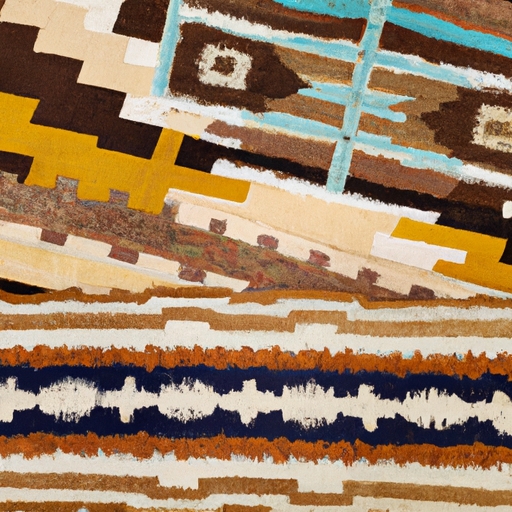
Native Americans often used rugs as practical items for warmth and comfort. They would weave rugs from locally sourced materials like wool or plant fibers using intricate designs that held symbolic meanings. These rugs served both functional purposes within households and had ceremonial significance in various rituals.
Modern Native American rugs have incorporated new elements due to European contact. For example, some designs now include motifs inspired by European textiles or incorporate synthetic dyes introduced by Europeans. Additionally, the demand for these rugs from non-Native American markets has led to changes in patterns and styles over time.